APPLICATIONS
Start with the question. Build the right investigation.
Transferability comes from how knowledge, data and tools are organized. A new field requires new data, algorithms and criteria.
PUMPED STORAGE
Application base of completed software
From terrain conditions to site investigation.
Pumped storage brings spatial relationships, engineering assumptions and real-world constraints to one place. The system supports screening, scenario comparison and site evidence research.
Explore spatial screening
- Research question
- Where do conditions merit further pumped-storage investigation?
- Key inputs
- Terrain, water, geology, land, roads and grid information
- Stage output
- Candidates, scenario differences and conditions to verify
- Verification
- Hydrological, geological, engineering and specialist investigation
GEOLOGICAL RESEARCH
Research framework extension
Read surface clues in their geological context.
Similar terrain does not imply the same history. Geological investigation requires a new combination of stratigraphy, structures and evidence of evolution to compare possible explanations.
Explore the transferable framework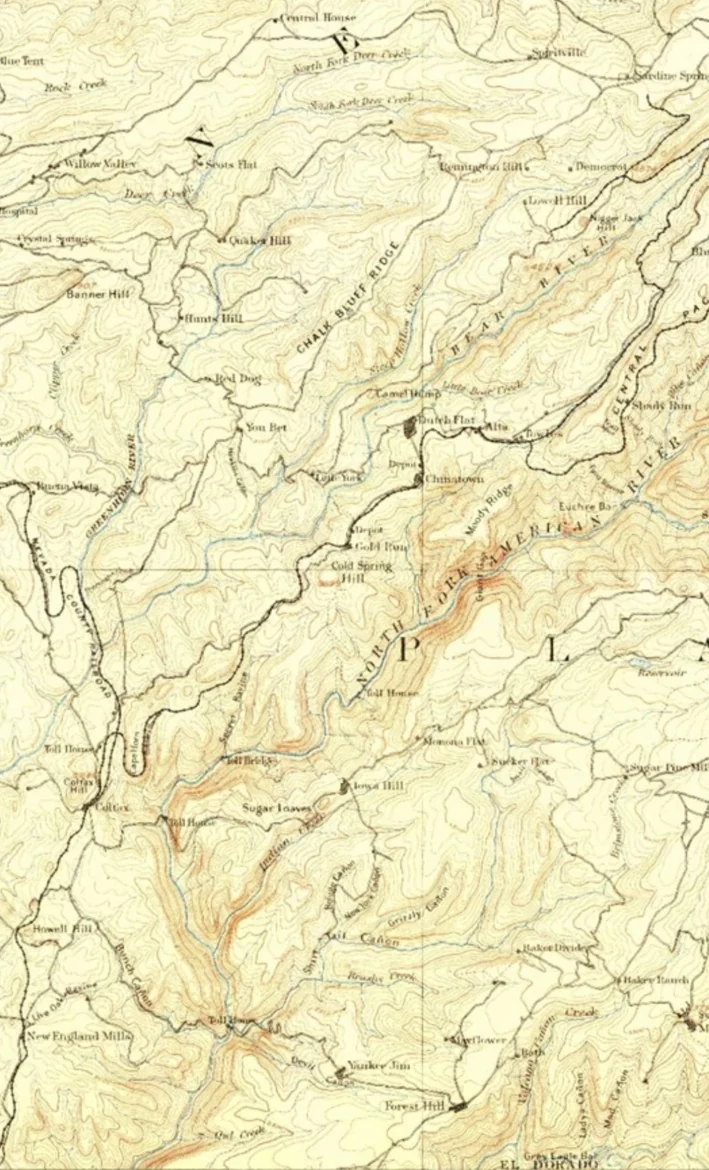
- Research question
- Which structures and processes can explain the observations?
- Key inputs
- Stratigraphy, structures, terrain, remote sensing and prior records
- Stage output
- Testable geological hypotheses and evidence gaps
- Verification
- Mapping, observation, sampling and domain research
MINERAL INVESTIGATION
Research framework extension
Identify exploration leads, not premature conclusions.
Begin with a target commodity and its ore-forming context. Compare mineralization records, geochemistry and spectral anomalies in light of their background, quality and relationships.
Review research standards- Research question
- Which anomalies warrant further exploration?
- Key inputs
- Ore-forming context, mineralization, geochemistry and spectral data
- Stage output
- Evidence-backed leads and questions for verification
- Verification
- Exploration, sampling, analysis and specialist assessment
PLANETARY RESEARCH
HAPPI research in progress
A different planetary body. A new domain model.
Public NASA mission data support research into terrain and surface composition. Current HAPPI research investigates terrain, accessible rock and natural gravitational energy for Martian settlements.
Explore HAPPI research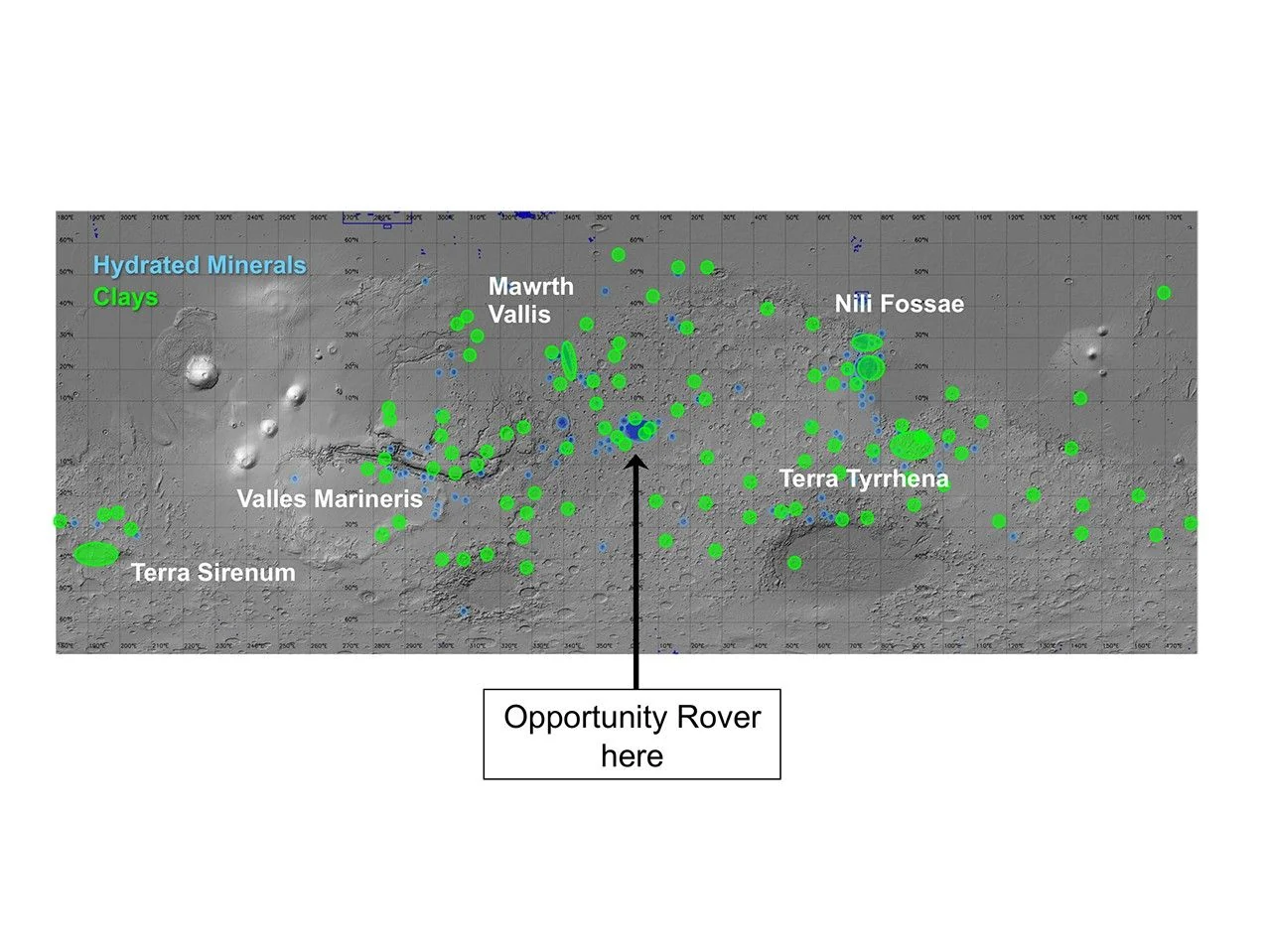
- Research question
- Which terrain and material conditions merit attention on Mars?
- Key inputs
- NASA PDS, MOLA elevation and CRISM spectroscopy
- Stage output
- Research hypotheses and an analytical path to test them
- Verification
- Planetary calibration, specialist models and further scientific validation
Object links, source records and task organization can be reused. Broader coverage does not automatically mean greater interpretive precision.
Explore the platform